
BMW M5
Three generations on sale. The 6th gen F10/F90 is the value pick; the 7th gen F90 leads on resale; the 8th gen G90 is the fresh-buy target.
Model strength
Tap any for details
Weighs every axis evenly. Changes the weighting, not the numbers.
▲ 2 axes vary by variant (price, running cost) — see variant pages.
Price by age
What does a car this age cost?
Generation timeline (aligned to chart)
| Age | Generation | Price range | Min. Down | Availability |
|---|---|---|---|---|
| 8y | 7th gen F90 | S$221k – S$191k | S$82k | Medium |
- Generation
- Tap a generation (↓) to jump to its full breakdown below; the colour maps back to the timeline strip + legend above.
- Price range
- P75 → P25 of asking — the middle half of listings at that age sits inside this band. Outliers above and below excluded.
- Down payment
- MAS Notice 642 LTV cap applied to the age's median asking: 30% when OMV is up to S$20k, 40% above. Max loan tenure 7 years. Rows marked * mix both OMV buckets — we display the conservative 40% figure so the quote never under-states what a luxury-OMV listing at that age would actually require.
- Availability
- High when this age's listing share is ≥1.5× the model's uniform expectation, low when ≤0.6×, medium otherwise. Model-relative, so an evenly-spread model lands all-medium.
Positioning vs segment
Where does Bmw M5 sit?
10 scoreable luxury sedans · 24 more in segment lack enough listings to score
Tap any dot on the chart to see its scores.
- Brand reliability
- Consumer-survey composite — JD Power · WhatCar · Consumer Reports. Same score for every variant of a given make.
- Resale strength
- 100 − 3× annualised tangible-decay (COE-stripped). Fitted from each variant's asking-price-by-age regression then averaged at model level.
- Peer set
- Every same-segment model with ≥5 active PARF listings whose variants fit a depreciation curve. Practicality isn't plotted — it's a body-shape constant within the segment, so it would be the same for every dot.
- Quadrants
- The crosshair marks the segment median on each axis. Top-right (Safe Bets) is strong on both; top-left (Hidden Gems) holds value above what the brand reputation suggests; bottom-right (Bargain Buys) is well-built but depreciates fast — buy cheap; bottom-left (High Risk) is soft on both.
Generation
8th gen G90 (2024-present) · Reg 2025
Tap to collapseTap to expand
Generation
8th gen G90 (2024-present) · Reg 2025
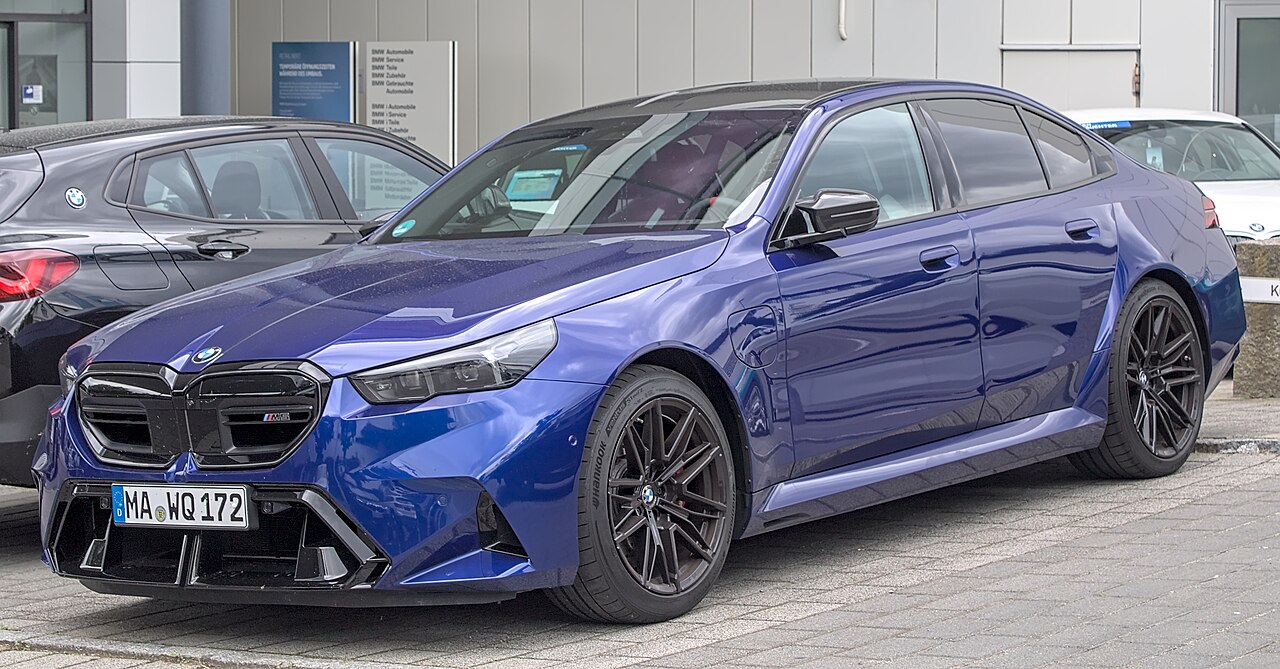
Generation overview
No curated buying call yet — read the stats and service book.
- Asking
- S$659k–659k
- Median
- S$659k
- Decay
- —
Trims in this generation
Pick a trim to see its score, deal target, and pre-purchase checklist.
Hybrid
1 trimGeneration
7th gen F90 (2017-2023) · Reg 2018–2022
Tap to collapseTap to expand
Generation
7th gen F90 (2017-2023) · Reg 2018–2022
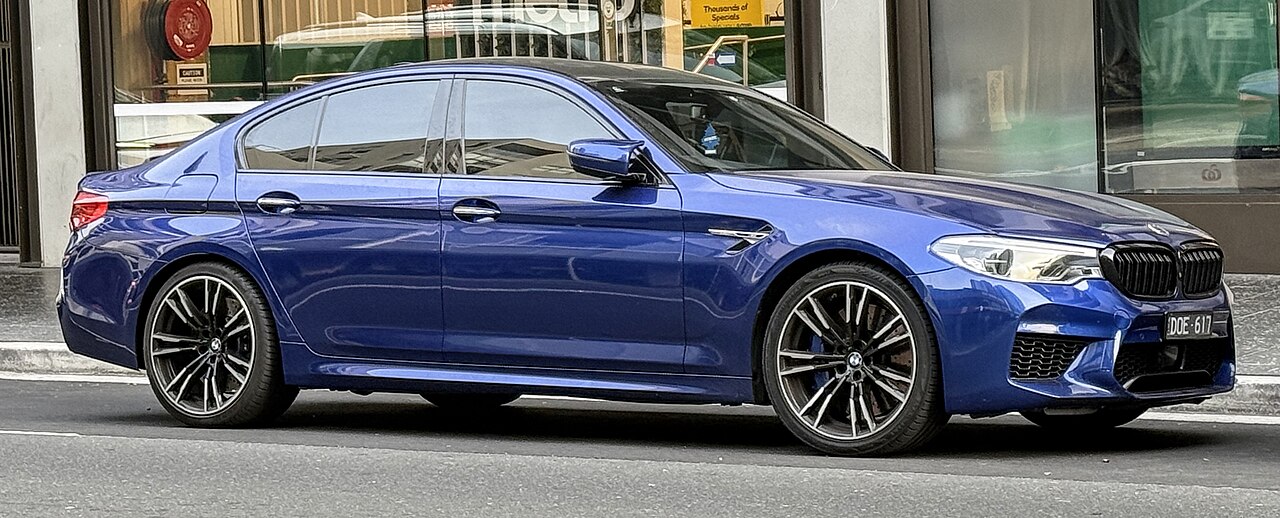
Verdict
BMW M5 F90 — 7th gen M5. S63B44T4 4.4L V8 biturbo (uprated from F10 era) + 8-speed M Steptronic. Same S63 rod bearing scheduled-maintenance framework as F10 M5 / X5 M / X6 M. Cars 2-8 years old.
- Asking
- S$200k–270k
- Median
- S$229k
- Decay
- 12.0%/yr
What's good
- Documented rod bearing preventive + full BMW M service — the same scheduled rod-bearing care as the rest of the S63 family.
- F90 Competition variant with documented service — the cult performance variant, and a strong buy with full records.
What to watch
- S63 V8 past 60k miles with no rod-bearing service done — rod bearings are scheduled maintenance on this engine; skipping it risks the bottom end.
- Patchy service history — M-specialist service is essential on this car.
Trims in this generation
Pick a trim to see its score, deal target, and pre-purchase checklist.
Generation
6th gen F10/F90 (2011-2017) · Reg 2011–2012
Tap to collapseTap to expand
Generation
6th gen F10/F90 (2011-2017) · Reg 2011–2012
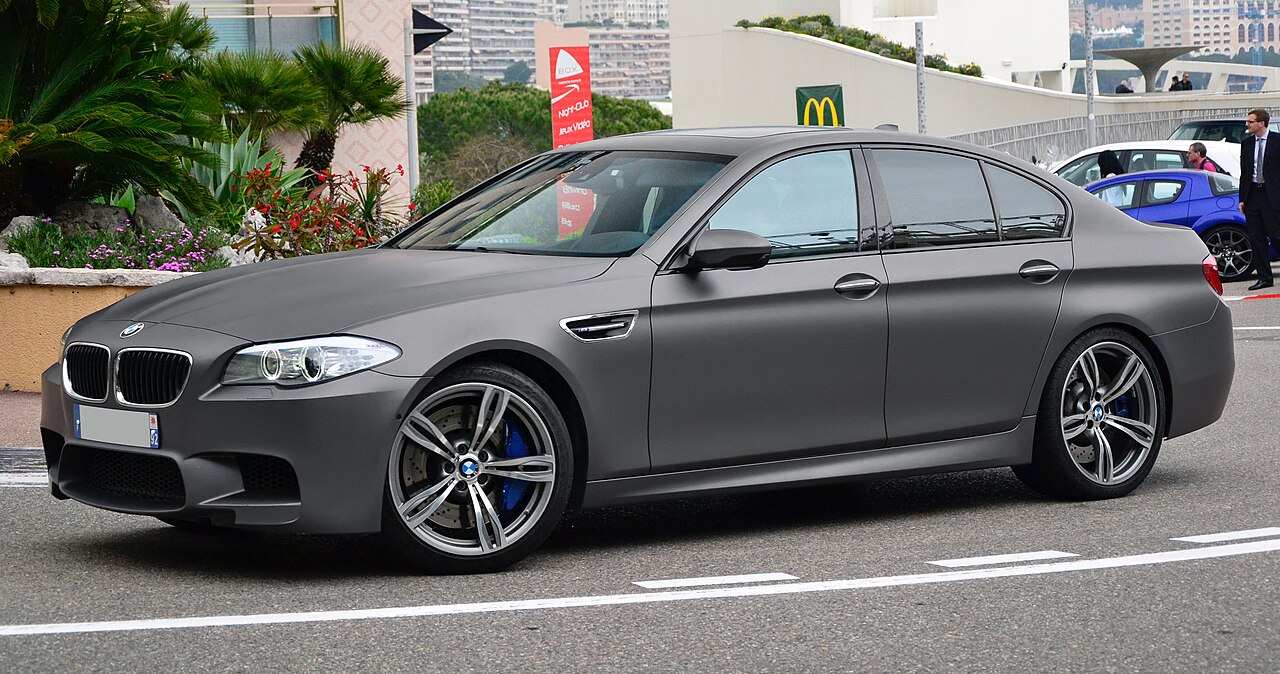
Verdict
F10 M5 (2011-2016) is the first turbocharged M5 — S63B44 4.4L V8 biturbo, 7-speed M DCT. Rod bearing wear is the documented scheduled-maintenance item (S$5-8k preventive at 60-80k miles). Carbon buildup on intake valves common DI engine pattern. F90 M5 is actually the 6th gen successor (launched 2017) — but typically the curation key refers to the F10 M5 era. Specialist BMW M-service essential. Competition Package trim is the cult pick.
- Asking
- S$78k–107k
- Median
- S$89k
- Decay
- —
What's good
- F10 M5 Competition Pack with the rod-bearing job already done — same S65 / S55 framework. Rod bearing receipt converts the headline scheduled-failure to a known recent service. Competition Pack adds upgraded suspension + sounds + slight power increase.
- Full BMW M-specialist service history with no track abuse — M-grade service is specialist-tier. Street-driven F10 M5 with paperwork is the cleaner used buy.
What to watch
- An S63 still on its original rod bearings past 60k miles — same scheduled-maintenance framework as S65 M3 / S55 M3-M4. Catastrophic when bearings fail; engine rebuild well into 5 figures. Walk.
- 7-speed M DCT showing rough engagement past 100k km — DCT clutch + mechatronic wear from aggressive driving. S$5-9k for full service. Walk on vague service history.
Trims in this generation
Pick a trim to see its score, deal target, and pre-purchase checklist.
Common questions about the BMW M5
- How much does a used BMW M5 cost in Singapore?
- Most used BMW M5 on the market are around 8 years old, asking roughly S$187k–S$229k (typically about S$191k). That's the age with the widest choice — and the most sellers competing, so it's where you'll have the most room to bargain.
- Is the BMW M5 reliable?
- In our read, the BMW M5 scores 55 out of 100 on brand reliability. That still varies by generation and how the individual car was looked after, so always check the service history before you commit.
- What should I expect to pay for a used BMW M5 with a given mileage?
- It depends on the exact variant, age and mileage — a higher-mileage car should ask less. Use the price modeller on this page to get a fair-price range for a specific age and mileage, so you know what to offer.
- Where do these BMW M5 figures come from?
- They're worked out from current used-BMW M5 listings in Singapore — asking prices, mileage and registration years — not past transaction prices. We refresh them regularly, and we flag thin data rather than guess.